by Tiffany Nguyen
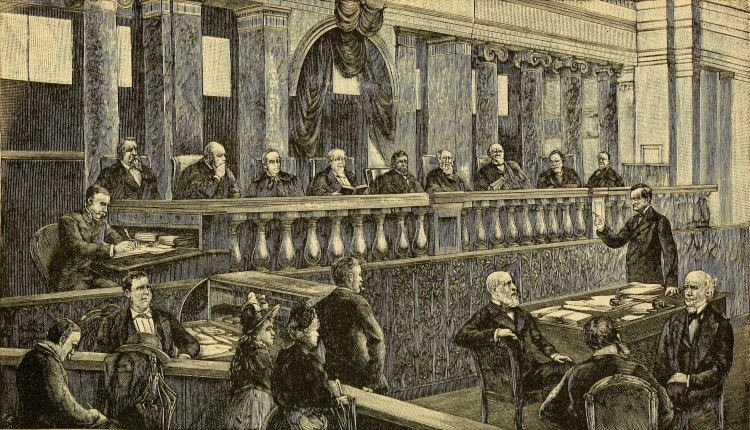
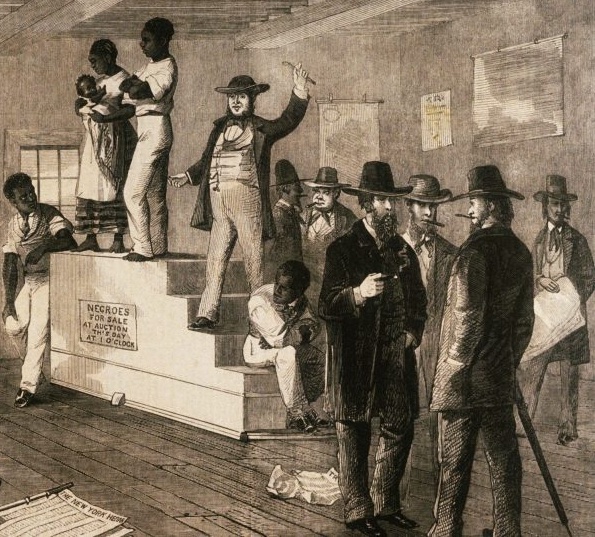
It’s hard to wrap our minds around the idea of purchasing and selling other human beings, but that was the cruel reality of life in antebellum America. Slavery was such a profitable practice that in states like Louisiana it upheld the entire economy. But slavery was also engrained into the judicial system, with legal concepts such as “redhibition” used to further the interests of slave owners and demean the people whom they held as property.
Unique to Louisiana, redhibitory laws are legal protections intended to protect consumers from sellers who act in bad faith. Under these laws, consumers who bought products with hidden “defects” or “vices” could sue the sellers for a refund and damages. Under Louisiana law, enslaved people with chronic illnesses, disabilities, or a “habit of running away” were considered “defective.” Redhibitory lawsuits, involving these “defective” people, were common in the Baton Rouge area.
John Kauffman vs. Jackson Liba (1847)
This lawsuit transpired in West Baton Rouge Parish. John Peter Kauffman sued Jackson Liba for a full refund, medical costs, and additional damages after purchasing an enslaved woman named Mary Ann. According to Kauffman, Liba had claimed that Mary Ann was “sound and healthy” but in truth she was afflicted with “incurable diseases and infirmities,” including a chronic disease of the liver, lungs, and uterus. Ultimately, these conditions had led to Mary Ann’s death.
Kauffman also claimed that Mary Ann was a “habitual runaway.” He stated that during the purchase, Liba had claimed that Mary Ann had only run away once and had been absent for about four weeks: according to Kauffman, Mary Ann had in fact run away multiple times and been absent for months on end. Kauffman argued that these defects rendered Mary Ann “completely useless” to him. He sought a full refund, reimbursement for two hundred dollars in medical costs spent on Mary Ann, and two hundred and fifty dollars in additional damages.

The physician who treated Mary Ann also testified that Mary Ann was an “unsound negro” and that that she had a bloated appearance. After Mary Ann passed away on August 29, 1846, the physician performed autopsy, which also found a “chronic disease of the uterus” that would have rendered Mary Ann infertile. In his medical opinion, Mary Ann was “worthless and of no value.” For reasons not recorded, the case was discontinued, before a verdict was reached.
Adolphe Flecheux vs. Stephen Van Wickle (1837)
In a lawsuit from Pointe Coupee Parish, Adolphe Flecheux claimed that he had purchased eight people from Stephen Van Wickle on December 22, 1835. Their names were Billy (40 years old), Charles (21 years old), Polly (35 years old), Solomon (34 years old), Ellen (25 years old), Jenny (21 years old), Michael (35 years old), and Patsy (23 years old), purchased for a total sum of $6,400. Flecheux sought to void the sale of five of the eight people who he deemed to have redhibitory defects. He demanded a full refund plus an additional $1,500 in damages.
Flecheux argued that Van Wickle had knowingly lied when he had claimed that all the people were “sound of body and mind.” Charles suffered from “epileptic fits” and was also a “habitual dirt eater” (probably a sign of iron deficiency). Polly suffered from rheumatism and “bodily infirmities” that caused miscarriages. Solomon was a “habitual drunkard” and was also afflicted with rheumatism. Billy was a “notorious runaway” and had a condition in his eyes that left him nearly blind. Finally, Flecheux claimed that Jenny was a “lunatic.” Due to their conditions, these five men and women could not perform field labor and were worth “little as nothing.” The court agreed, ordering Van Wickle to pay damages.
Implications
Redhibitory lawsuits show how Louisiana’s judicial system has a long history of protecting and upholding the institution of slavery. That the law lumped people into the same category as purchased commodities, was completely dehumanizing. While rheumatism and epilepsy are seen as medical conditions in free persons, for enslaved people these were considered “defects” that lowered a person’s market value. These lawsuits are completely devoid of any empathy and human compassion for the enslaved people. It is heartbreaking to read how people can deem other humans “worthless” based on circumstances beyond their control.
Sources:
J.P. Kauffman vs. Jackson Liba, filed September 11, 1846, Sixth Judicial District Court, West Baton Rouge Parish, PAR Number 20884603, Race and Slavery Petitions Project.
Adolphe Flécheux vs. Stephen Vanwicke, filed October 28, 1837, Fourth Judicial District Court, Pointe Coupée Parish, PAR Number 20883702, Race and Slavery Petitions Project
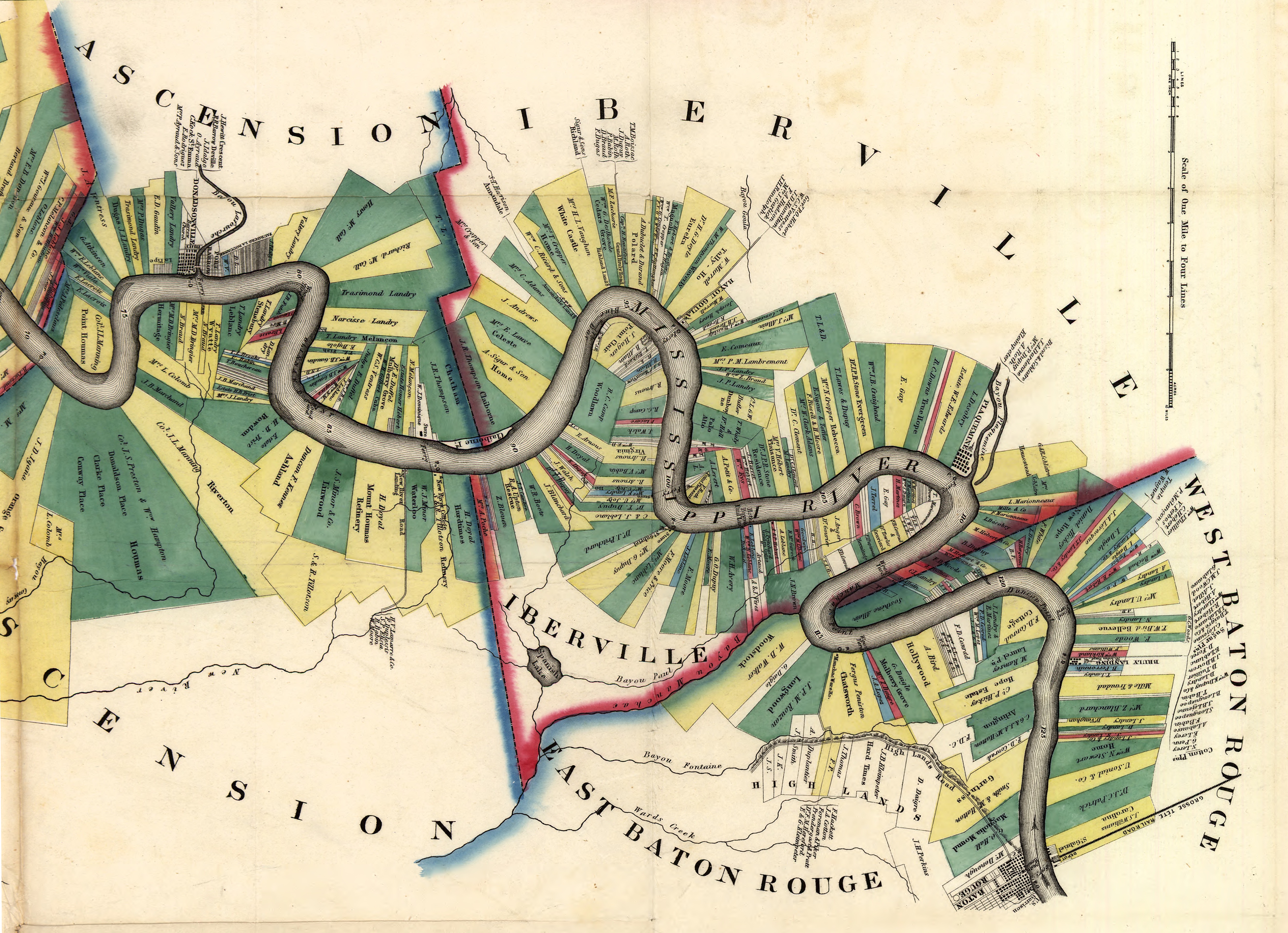
 Slavery in Baton Rouge